Oregano: A Powerful Herb with Antioxidant and Antimicrobial Properties
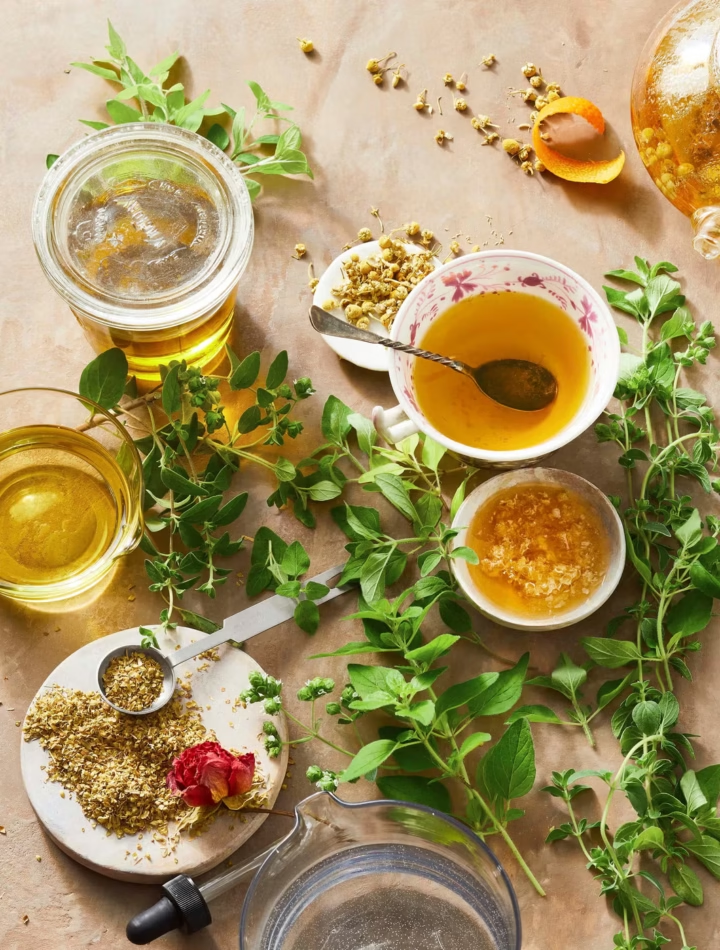
Oregano is a popular aromatic herb used in Mediterranean cooking. It is loved for its rich flavor and pleasant aroma, but its benefits go beyond the kitchen. Scientists are interested in oregano because it contains natural plant compounds that may have antioxidant and antimicrobial properties.
Two of the most widely studied compounds in oregano are carvacrol and thymol. These substances are found particularly in oregano essential oil and have shown activity against certain bacteria and fungi in laboratory research. However, more human studies are needed to understand how these findings relate to everyday health.
What Makes Oregano Special?
Oregano belongs to the Origanum genus and contains essential oils and other naturally occurring plant compounds. Its chemical composition can differ depending on the species, growing conditions, geographic location, and extraction method.
Carvacrol and thymol are among the most important compounds researchers study for their antimicrobial potential. Laboratory experiments suggest that these substances may interfere with microbial cell membranes and other essential cellular functions.
However, these findings do not mean that eating oregano can replace medical treatment or reliably eliminate harmful bacteria inside the human body. Much of the available evidence comes from laboratory experiments, so further clinical research is necessary to determine the effects in humans.
Oregano and Antioxidants
Oregano contains natural antioxidant compounds that may help protect cells from oxidative stress. Oxidative stress occurs when free radicals build up faster than the body can manage them, potentially contributing to cellular damage.
Several compounds in oregano, including phenolic substances and components of its essential oil, are associated with its antioxidant activity. Researchers continue to investigate these compounds to better understand their potential role in biological processes.
Adding oregano to everyday meals is a simple way to enjoy its distinctive flavor while including a wider variety of plant compounds in your diet. Although oregano can contribute to a varied diet, it should not be considered a substitute for other nutritious foods.
Oregano and Antimicrobial Activity
One of the most studied aspects of oregano is its potential antimicrobial activity. Research has found that oregano essential oil and some of its main compounds can inhibit certain bacteria and fungi under laboratory conditions.
A 2025 systematic review of Origanum essential oils examined their potential antifungal effects. The research highlighted compounds such as carvacrol, thymol, and p-cymene as important components associated with the observed activity.
Other studies have investigated oregano’s effects on bacteria, including E. coli and species of Staphylococcus. These findings have attracted interest in areas such as food preservation and the development of potential antimicrobial applications.
Nevertheless, laboratory results do not establish that eating oregano can treat bacterial or fungal infections. More research is needed before its potential applications in human health can be fully understood.
Is Oregano Really 30 Times Stronger Than Lemon or Garlic?
You may have come across online claims that oregano is “30 times stronger” than lemon or garlic at fighting bacteria and fungi. While these statements may sound impressive, they often lack important scientific details.
For example, such comparisons may not explain which form of oregano was tested, which compounds were measured, or what concentrations were used. They may also compare results from different experiments, making the numbers difficult to interpret fairly.
There is no universal scientific rule establishing that oregano is always 30 times stronger than lemon or garlic. Antioxidant and antimicrobial activity depends on several factors, including the substances being tested, their concentrations, the extraction method, and the particular microorganism involved.
A more accurate way to describe oregano is as a flavorful herb containing compounds with promising antioxidant and antimicrobial potential. This acknowledges the scientific interest without exaggerating what research has established.
How to Add Oregano to Your Diet
Fresh and dried oregano are both easy to use in everyday cooking. Its bold, earthy flavor works well in a variety of dishes and can make simple meals more enjoyable.
Here are a few easy ways to use oregano:
- Sprinkle dried oregano over roasted vegetables or potatoes.
- Add it to soups, pasta dishes, and homemade tomato sauces.
- Mix oregano into salad dressings or marinades.
- Season eggs, chicken, or other savory dishes with a little dried oregano.
- Use fresh oregano in Mediterranean-inspired meals for a brighter herbal flavor.
It is important to distinguish between using oregano as a seasoning and consuming oregano essential oil. Essential oils are highly concentrated products and are not equivalent to the small amounts of fresh or dried oregano typically used in cooking. They should not be swallowed unless specifically directed by a qualified healthcare professional.
For most everyday cooking, fresh or dried oregano is a simple and practical choice.
Oregano as Part of a Healthy Lifestyle
Oregano can be a helpful addition to a balanced diet because it adds plenty of flavor without requiring large amounts of salt or rich sauces. Like other herbs and spices, it can make nutritious meals more appealing and encourage variety in everyday cooking.
However, no single herb can provide everything the body needs or guarantee protection against illness. A healthy eating pattern includes a variety of vegetables, fruits, whole grains, protein-rich foods, and other nutrient-dense ingredients.
Oregano is best enjoyed as one small part of this broader approach to healthy eating. Its potential antioxidant and antimicrobial properties are interesting areas of research, but they should not be confused with proven medical benefits.
Final Thoughts
Oregano is more than a flavorful kitchen herb. It contains naturally occurring compounds, particularly carvacrol and thymol, that have demonstrated antioxidant and antimicrobial activity in scientific studies.
Although some popular online claims exaggerate its strength or health benefits, research suggests that oregano contains compounds worth studying further. More human research is needed to determine how these laboratory findings translate into practical health benefits.
For everyday use, adding oregano to a varied and balanced diet is a simple way to enjoy its flavor and include more plant compounds in your meals. Remember that oregano is a seasoning, not a proven treatment for infections or other medical conditions.
Whether you sprinkle it over homemade pizza, stir it into tomato sauce, or add it to roasted vegetables, oregano is an easy way to bring Mediterranean flavor and a little more variety to your cooking.